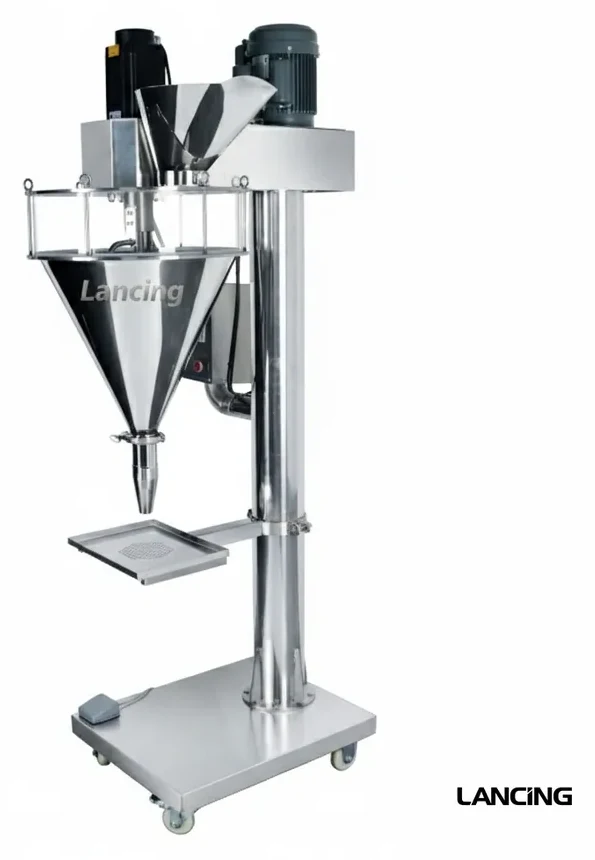
 Bench / compact
Semi-automatic auger fillers
Compact auger filling for short runs, product trials, smaller batches and operator-presented jars, bottles, tubs or pouches.
View routeAuger filling routes for detergents, cleaning powders and dry chemical products where compatibility, containment, dust and operator workflow should be reviewed early.
The right auger filler depends on how the product behaves in the hopper and at the fill point. Free-flowing, dusty, cohesive, aerated or settling powders can require different screw, agitation, feed and discharge arrangements.
Real product samples help confirm the hopper, auger and fill-head setup before the final specification.
Dry chemical powders need equipment specified around compatibility, dusting, operator access, cleaning and downstream pack closure.
Jars, bottles, tubs, pouches, sachets and VFFS bags each create different positioning, filling, settling and closing requirements. The pack format should be reviewed with the powder before equipment is shortlisted.
Send pack drawings, photos or samples alongside product details to avoid a generic recommendation.
Bench / compact
Compact auger filling for short runs, product trials, smaller batches and operator-presented jars, bottles, tubs or pouches.
View route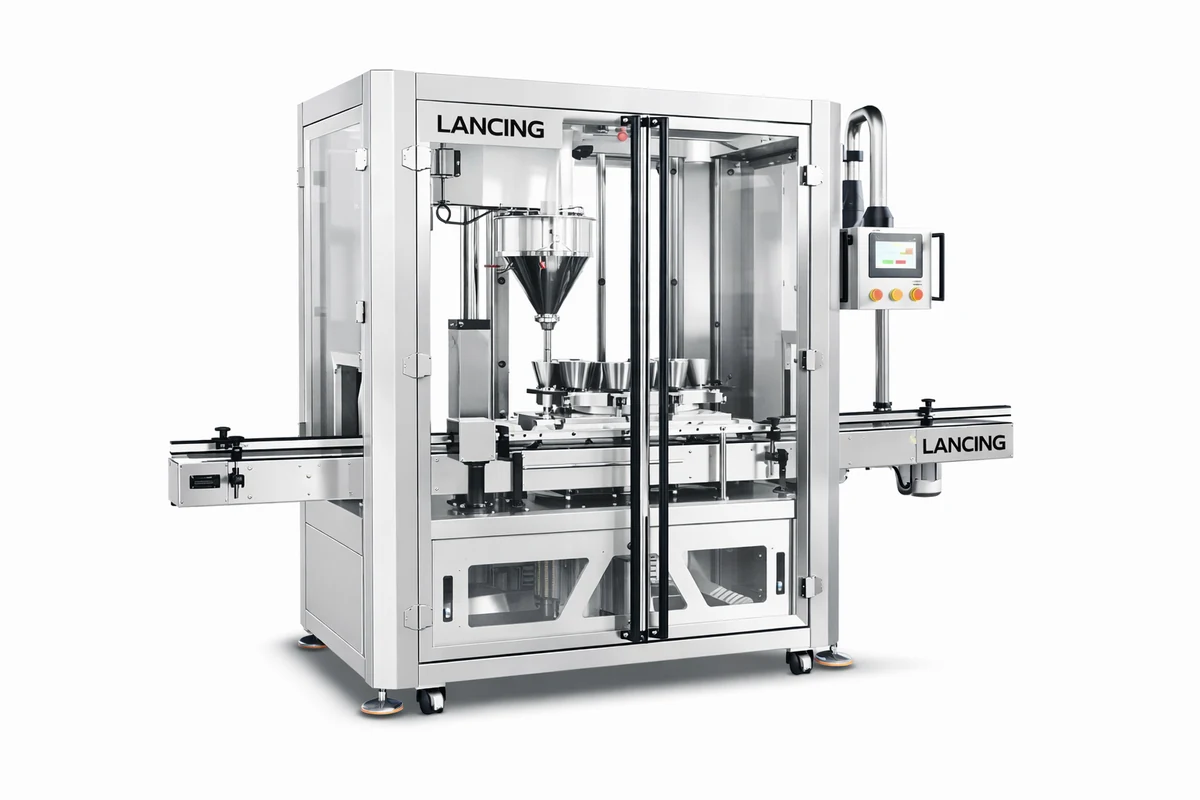 Inline automation
Conveyor-fed auger filling routes for powders that need repeatable dosing, container handling and integration with closing or labelling.
View route
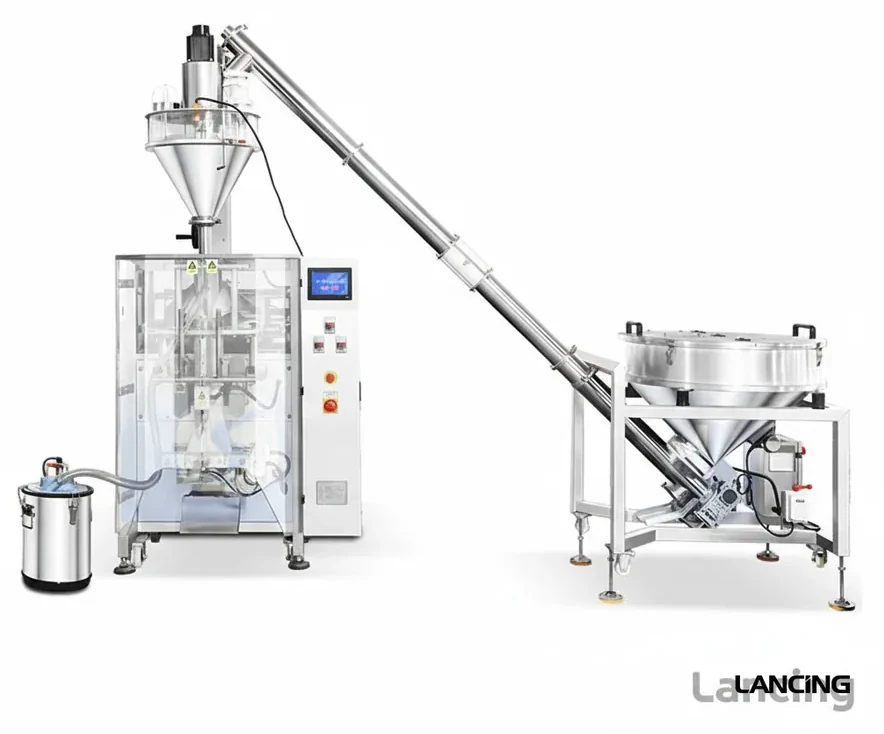
Bagging / roll film
Auger dosing integrated with vertical form fill seal bagging for powder pouches, sachets and formed bags from roll film.
View route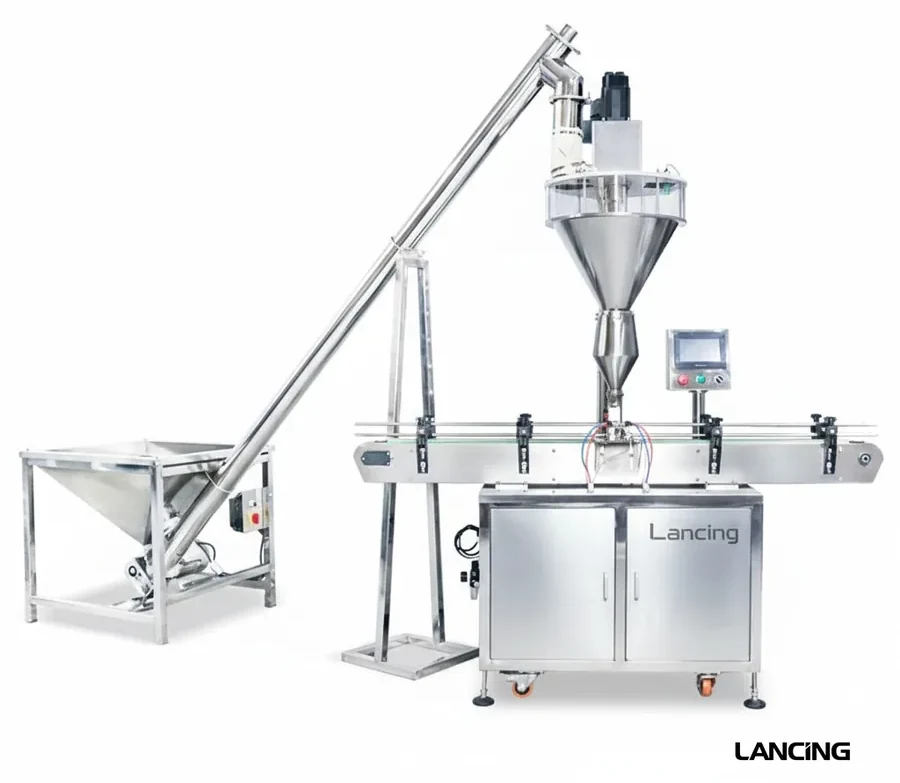 Line planning
Product feed, filling, settling, capping, sealing, labelling, coding and checking planned as one dry-product route.
View route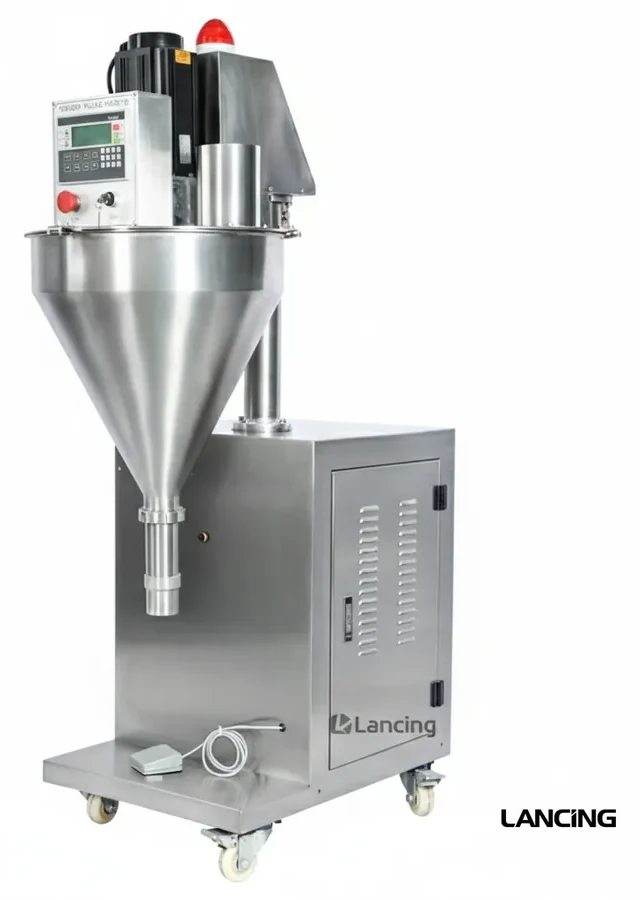 Route
General powder dosing where flow, dust and fill consistency decide the auger route.
View route
Route
Auger filling routes for spices, seasonings, herbs and mixed dry ingredients.
View route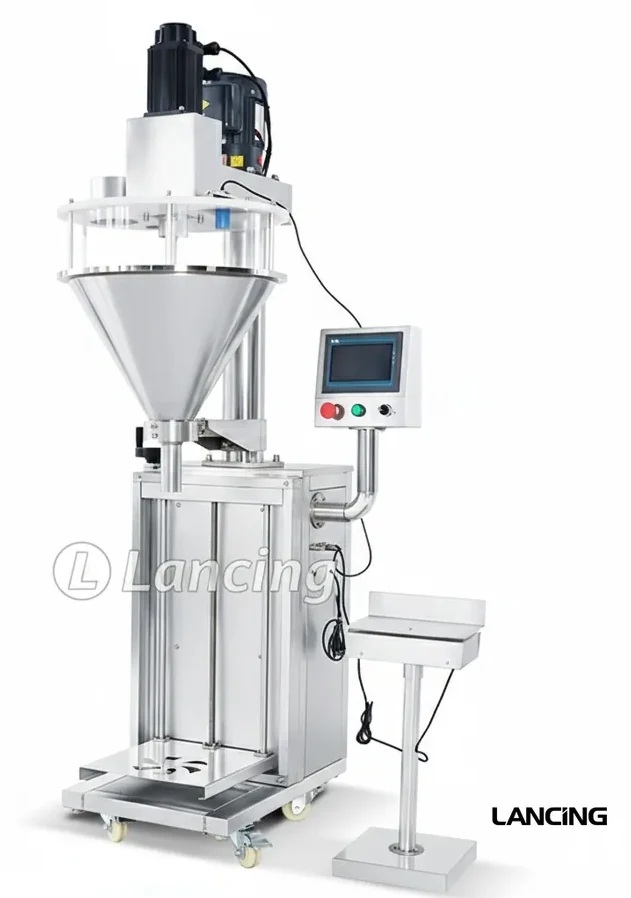 Route
Dry-powder filling for sports nutrition, supplement tubs, pouches and jars.
View route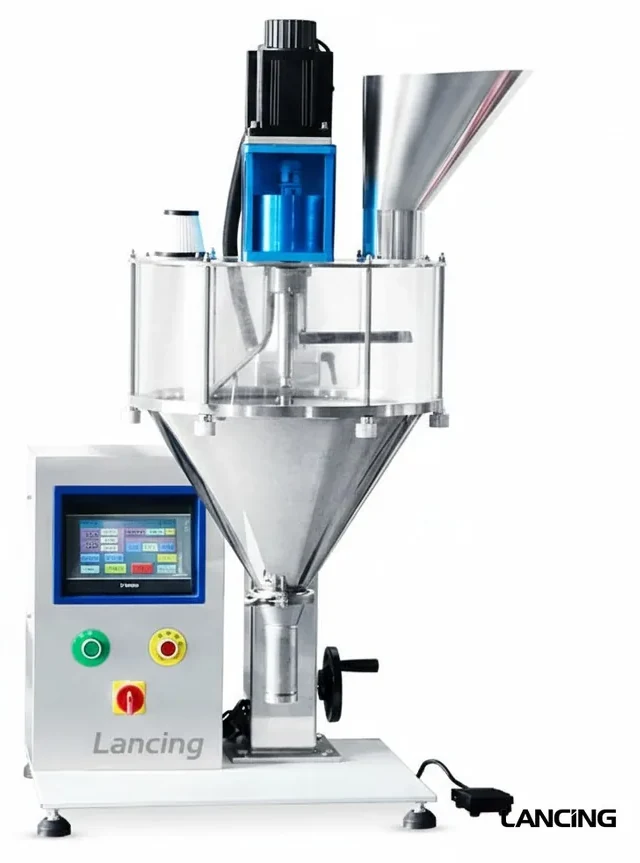 Route
Powder filling layouts for flour, starches, baking powders and dry mixes.
View routeAuger fillers are normally used for powders and some fine granules where controlled screw dosing gives a more suitable route than a pump, cup filler or basic gravity feed.
Yes, but the container handling and discharge setup changes. Rigid containers, premade pouches, VFFS bags and sachets all need different presentation and sealing arrangements.
Send the product name, sample behaviour, fill weight range, pack dimensions, target output, accuracy requirement, available space and any sealing, capping, labelling or coding steps.
Send the product, pack format, target fill weight and required output so Lancing can suggest the most suitable auger filler route.
Chemical, detergent and industrial powder projects need more than a product name and target weight. The SDS, dust level, particle behaviour, material compatibility, cleaning method, container or pouch sample and operator exposure controls all influence whether a standard auger route is suitable.
Lancing needs the SDS because chemical powders can raise handling, exposure, dust, corrosive, flammable or material-compatibility questions that affect the hopper, fill head, guarding, extraction and cleaning method.
The SDS does not replace a product trial, but it prevents the machine discussion from ignoring site safety and compatibility requirements.
Chemical powders can need different container handling when the pack is unstable, narrow-necked, dusty, static-prone or must be sealed quickly after filling.
Send the final bottle, jar, tub, pouch or bag sample so pack stability and closing can be reviewed with the powder.
For dusty products, also use the dust and extraction checks guide.
For a chemical powder project, describe how the product arrives at the filler and where unused material goes after the batch. Provide the relevant product information for assessment and identify the site team responsible for handling, exposure and other process risks. Ask the machinery proposal to show its boundary with upstream transfer and any collection equipment. A complete review needs those interfaces even where the auger dosing unit itself is supplied as a standalone station.
It establishes only the conditions actually assessed. Ask for a separate review of the product information, handling arrangements and site requirements before treating a dosing result as approval of the complete installation.